


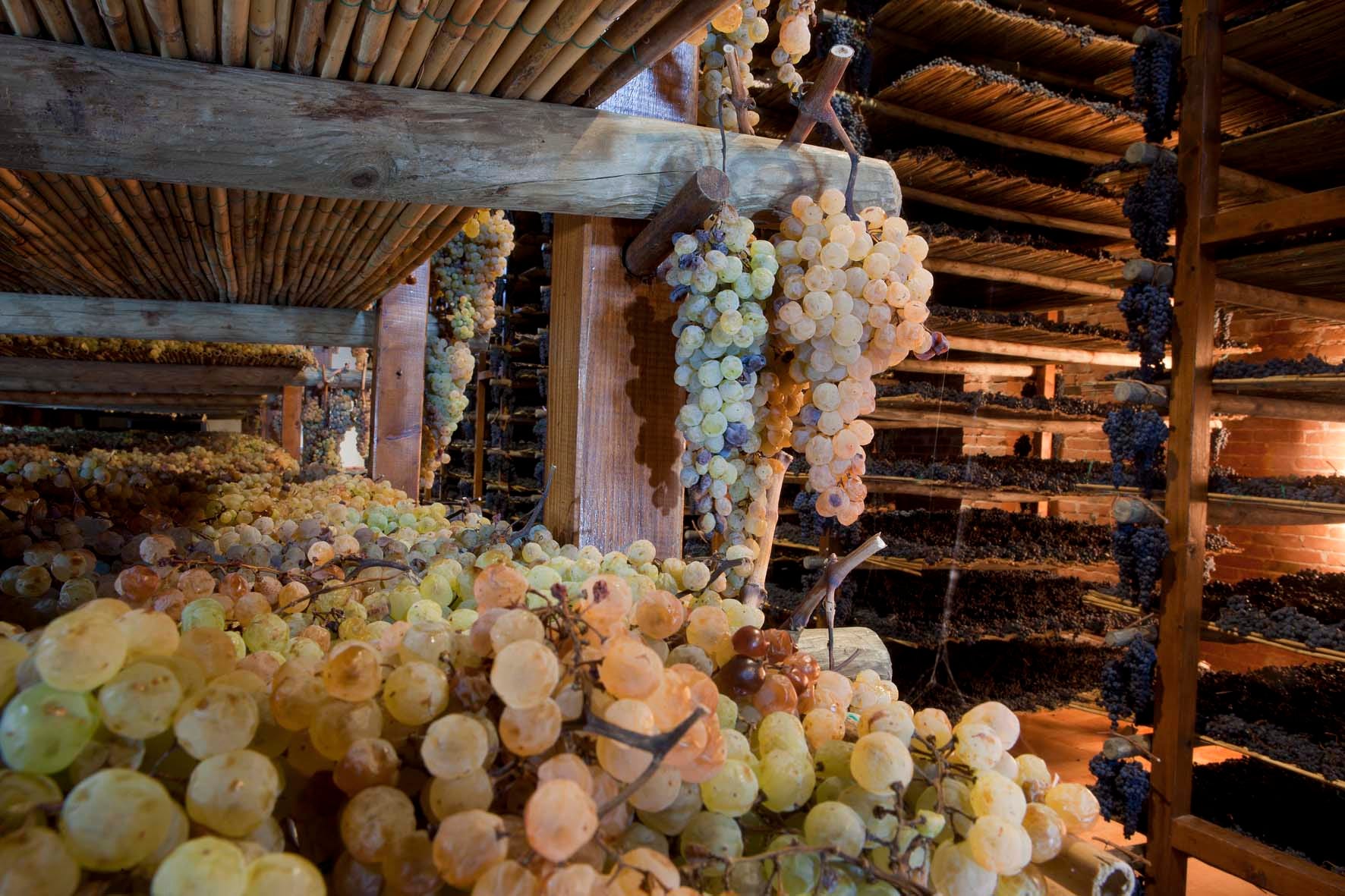
While harvest arrived early this year in Tuscany, a few stragglers needed more time on the vine.
Like a college student not quite ready to jump headfirst into a career and opting for a super-senior year, some grapes needed a few more sunrises. Not that they needed another bath in the sun. The grapes actually slowed their ripening cycle due to the intense heat.
It wasn’t until September rains and cooler nights arrived that those extra weeks on the vine began to pay off.
Only then was some of the 2026 fruit ready to make its way into the cellar.
“The calendar gives you one piece of information,” Avignonesi COO Alessio Gorini said. “The vine gives you the decision.”
Even as sugar levels climbed during a harvest that began five days earlier than last year, that didn’t necessarily mean the fruit was ready to be picked.
Higher sugar levels aren’t necessarily an indicator of great wine. Instead, Gorini wants fully mature fruit, where flavor, tannins and acidity develop in balance.
“The difficult part is recognizing when waiting is still adding something to the grape, and when it is only taking something away,” Gorini said.
It’s a process Gorini has learned is constantly in flux. Warmer growing seasons and less predictable weather have Avignonesi discovering new potential in its vineyard portfolio.
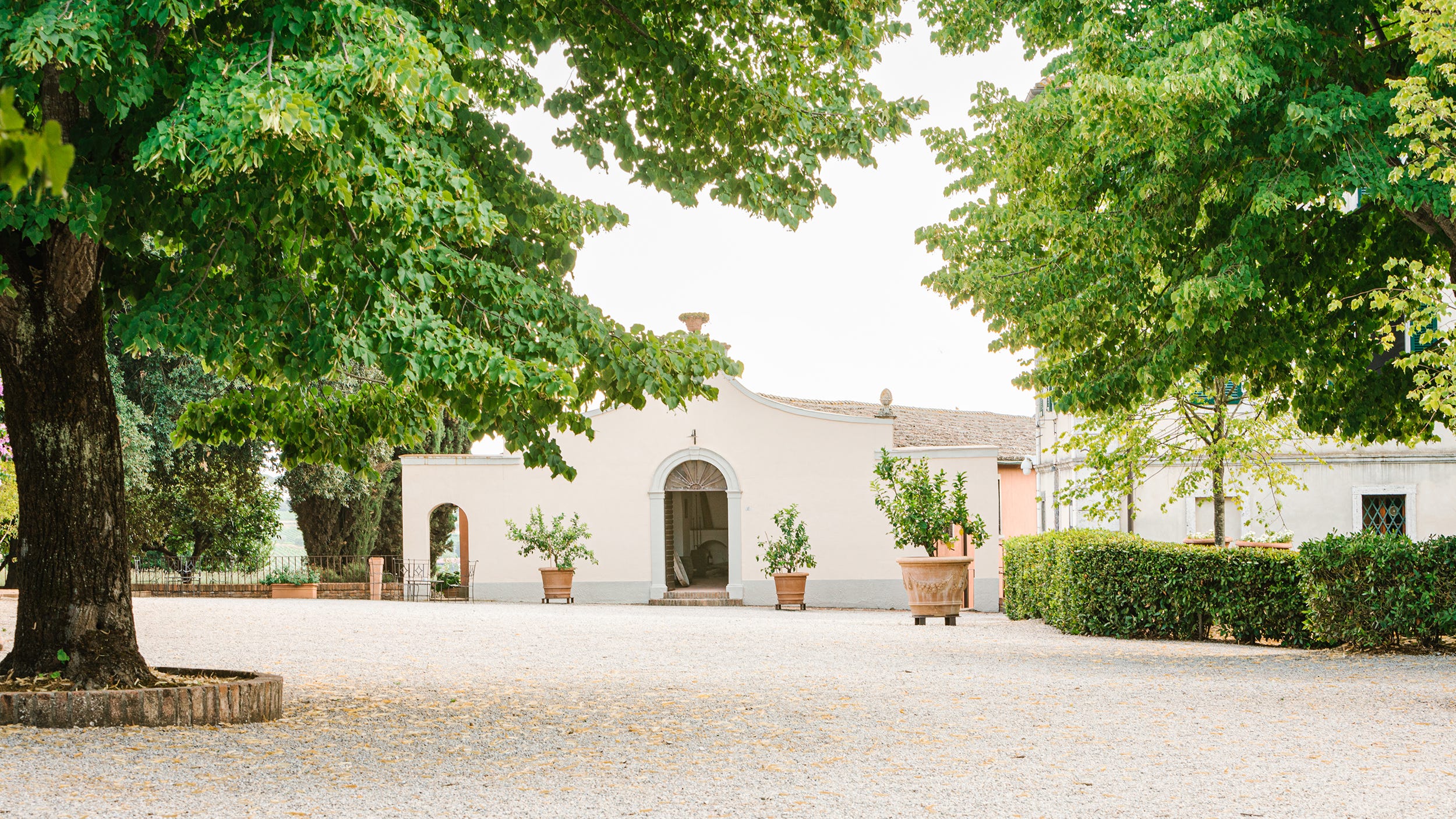
Sites once considered too cool or slow to ripen have shown new character. They’ve developed differently, keeping the winemaking and vineyard staff nimble as they assess their vineyards and search for freshness rather than maximum ripeness.
